Arm and Knee Warmers: The Most Useful Kit for a 25-Degree Morning and a 12-Degree Start
Quick Answer: Use knee warmers below roughly 18C and arm warmers below roughly 16C, adjusting for wind and ride intensity. The point of both is removability - you start covered, and once you are warm they roll down or come off into a jersey pocket. That is why they beat a long-sleeve jersey for shoulder-season riding, where the start and the middle of a ride can be 10 degrees apart.
The rule almost every experienced rider follows and almost no beginner knows: cover the knees before you cover the arms.
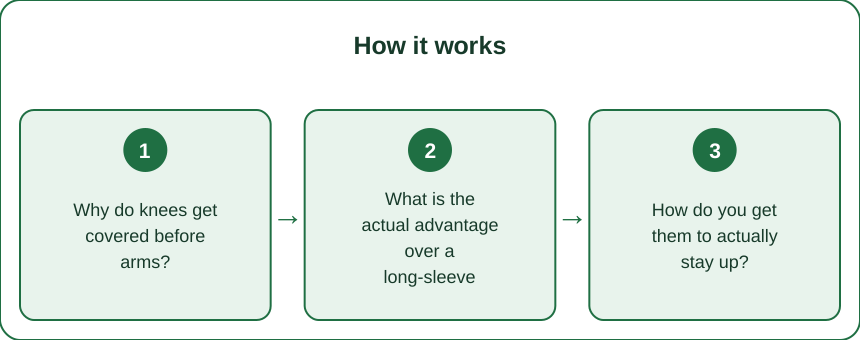
Why do knees get covered before arms?
Because the joint has almost no protective tissue and a cold joint is a genuine injury risk, not just a comfort issue.
The anatomy. The knee joint is close to the surface with minimal muscle and fat over it. Blood flow to the area is limited compared with the large muscles around it, so it cools quickly and rewarms slowly.
Why cycling is specifically hard on it. Pedaling puts the knee through a repetitive high-cadence movement - a rider at 90rpm makes 5,400 knee cycles per hour. Doing that with cold, stiff joint tissue is the classic recipe for anterior knee pain, and it is why the coaching advice to cover the knees below a threshold temperature has persisted for decades.
The traditional numbers, which hold up reasonably well:
- Below 18C (65F): cover the knees. This is the widely quoted rule and it is a sensible default
- Below 16C (60F): consider arm warmers too
- Below 10C (50F): knees fully covered with tights or full-length warmers, plus arms
Adjust for three things:
- Wind chill on descents. A 20-minute descent at 40kmh in 15C feels considerably colder than 15C standing still. Descending is the single biggest reason to carry warmers you might not otherwise need
- Ride intensity. An easy recovery ride generates far less heat than an interval session, and the same temperature demands more clothing
- Personal history. Riders with a history of knee problems tend to cover earlier, and that is reasonable
Arms, by contrast, are large muscle groups with good blood flow. They tolerate cold considerably better, and cold arms are a comfort problem rather than an injury one - which is exactly why they get covered second.
What is the actual advantage over a long-sleeve jersey?
Adjustability mid-ride, which is the entire problem shoulder season presents.
The temperature spread on an autumn ride. A ride starting at 7am in September might begin at 11C and finish at 22C. No single garment is correct across that range. A long-sleeve jersey is right for the first hour and wrong for the last two, and there is nothing you can do about it once you are out.
What warmers let you do:
- Roll them down without stopping, to the wrist or the ankle, which changes the effective coverage instantly
- Remove them entirely at a stop and fit them in a jersey pocket, where they take almost no space
- Put them back on for a descent or when the sun goes behind cloud
The pocket-space argument is stronger than it sounds. A pair of arm warmers rolls to roughly the size of a banana. A packable jacket does not. On a ride where you might need coverage for 30 minutes out of three hours, warmers are the only sensible answer.
Where a long-sleeve jersey still wins:
- Consistently cold rides with no significant warming
- Very cold conditions where the seam-free coverage and heavier fabric matter
- Riders who dislike the band at the bicep
The other underrated advantage: sun protection. Lightweight white or UPF-rated arm warmers keep the sun off on hot days, and many riders in hot climates use them year round for exactly this. Coolers, sometimes called ice sleeves, are the same garment in a different fabric.
One practical detail that decides whether you use them. Warmers you cannot get on or off without removing your gloves and stopping for three minutes will stay in the drawer. Try the roll-down and roll-up at home before the first cold ride.
How do you get them to actually stay up?
Fit at the top, not at the bottom, and this is where most disappointing pairs fail.
Arm warmers:
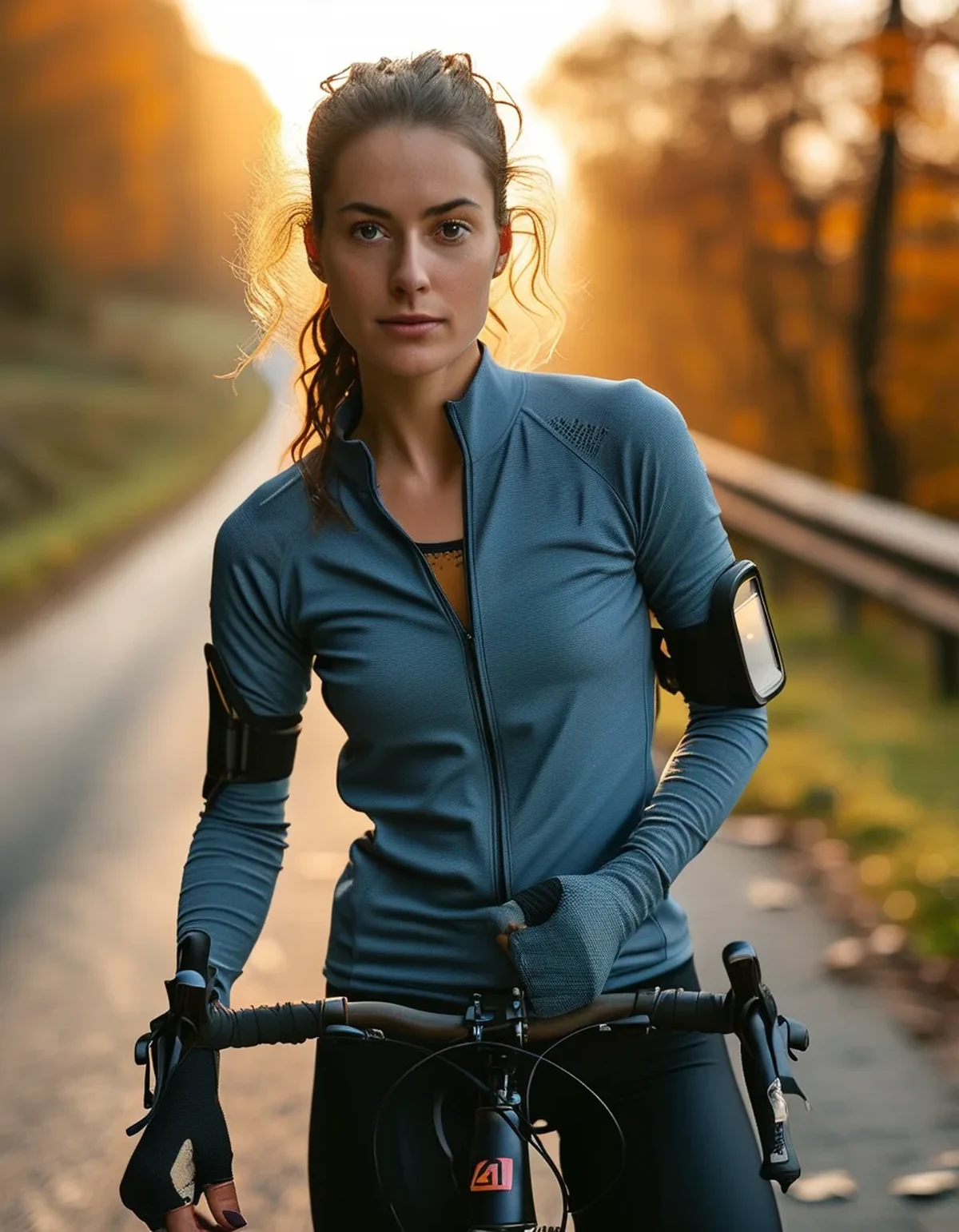
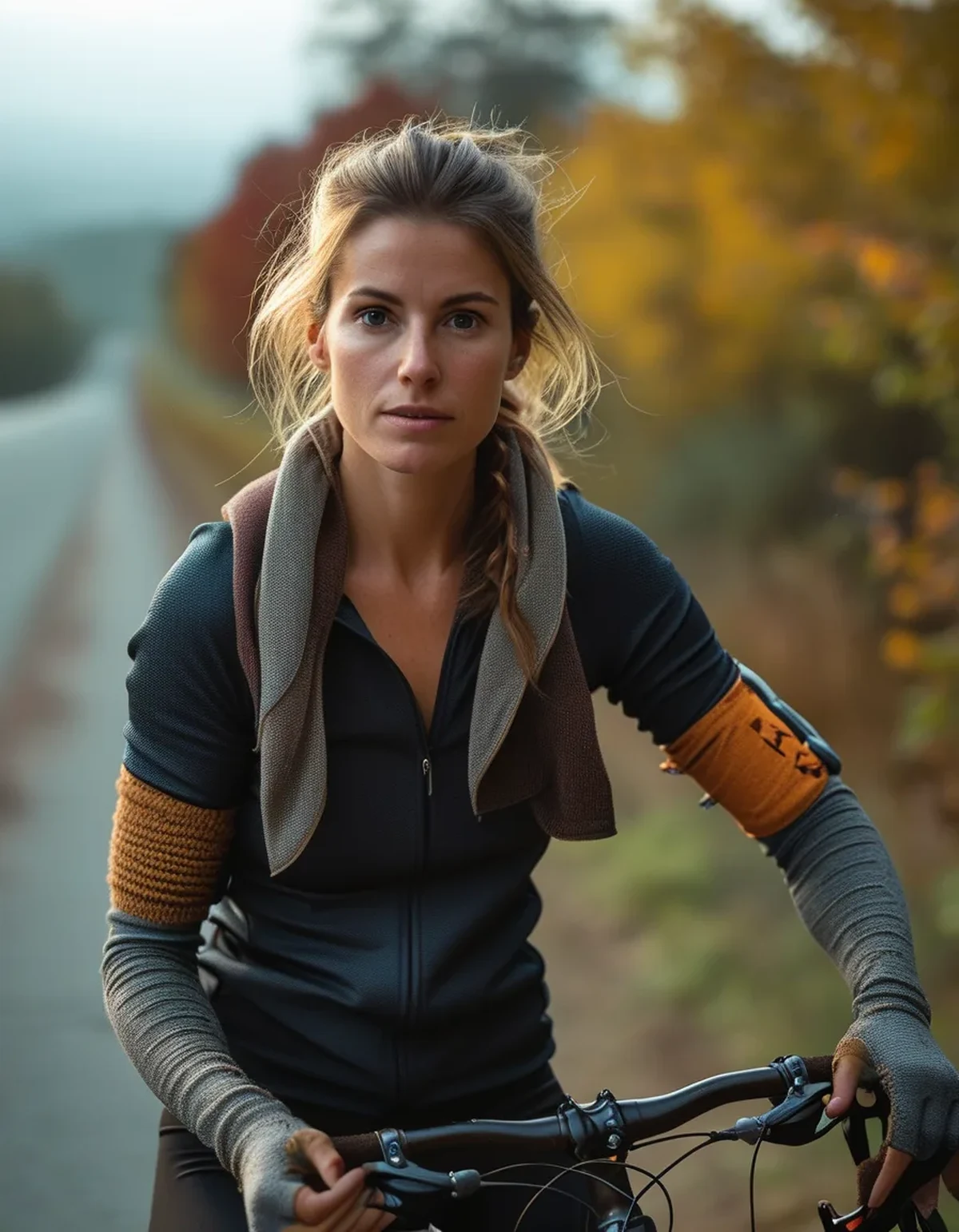
- The top band should sit under the jersey sleeve, overlapping by at least an inch. Warmers that end where the sleeve ends will slide
- Silicone gripper at the top is essential above casual use
- Size by bicep circumference, not by your jersey size. A warmer sized for a larger arm will not grip on a slimmer one, and this is the single most common sizing error
- If they still slide, the cause is almost always a top band that is too loose or sitting outside the sleeve
Knee warmers:
- The top should sit under the leg of the shorts with several inches of overlap. The short’s leg gripper then holds the warmer as well
- The bottom should end below the knee, covering the joint fully with a margin. A warmer that stops at the kneecap will roll and expose the joint at full extension
- Check the fit while seated on the bike in the drops, not standing. Standing fit is misleading because the knee is straight
On leg warmers versus knee warmers:
- Knee warmers cover roughly mid-thigh to mid-calf. Right for 12 to 18C
- Leg warmers run to the ankle. Right below about 12C
- Many riders own only leg warmers and are over-dressed for half the shoulder season, which is why knee warmers are the better first purchase
Fabric choice matters more than price. A brushed inner face with a smooth wind-resistant outer face on the front is the standard construction for cold conditions, while a plain lightweight roubaix works for mild days. Water-repellent treatment on the front panel is worth having in autumn, when the roads are wetter than the sky suggests.
What Nobody Tells You About Warmers
They are the most-lost item in cycling. Removed at a coffee stop, stuffed in a pocket, and gone. Riders who keep theirs put them in the same pocket every time, without exception.
The bicep band is the thing people quit over. A band that is too tight is genuinely uncomfortable over a three-hour ride and slightly restricts circulation. If a pair pinches at the top, size up rather than persevering - a size larger with a silicone gripper usually holds better than a size smaller without one.
They change your sun tan lines, which matters more than it should. Riders notice this immediately in autumn, when the warmer line and the summer jersey line do not match.
White arm warmers on a dark jersey read as a deliberate style choice. Black is safe and slimming; white is cooler in the sun and much more visible to traffic. Visibility is a genuine argument in autumn, when riding in low light becomes routine.
Knee warmers under bib shorts, not over. Over the short leg looks tidier and slides down within ten minutes. Under is the only way it works, and it means putting them on before the bibs.
They wash badly if you are careless. The silicone gripper degrades with fabric softener and with heat. Cold wash, no softener, air dry - the same rules as every other piece of technical kit, and the grippers are the first thing to fail when they are broken.
FAQ: Arm and Knee Warmers, Answered
At what temperature should I wear knee warmers?
The long-standing rule is below 18C, or 65F. Adjust colder if you ride hard and warmer if you descend a lot or ride easy.
Knee warmers or leg warmers?
Knee warmers for roughly 12 to 18C, leg warmers below 12C. Most riders buy leg warmers first and then find them too warm for most autumn rides.
Why do my arm warmers slide down?
Almost always because the top band sits outside the jersey sleeve or is sized too large. It should overlap under the sleeve by at least an inch and have a silicone gripper.
Do knee warmers go over or under bib shorts?
Under. Over the short leg they slide down quickly, because the short’s gripper is then holding nothing.
Can I use arm warmers in hot weather?
Yes - lightweight white or UPF-rated versions are widely used for sun protection, and cooling sleeves are the same garment in a different fabric.
How do I wash them?
Cold, no fabric softener, air dry. Heat and softener both destroy the silicone grippers, which is what makes them stay up.
TL;DR:
- Cover the knees below about 18C and the arms below about 16C, adjusting for descents and intensity
- Knees come first because the joint has little protective tissue and cold joints are an injury risk, not just discomfort
- The advantage over a long-sleeve jersey is mid-ride adjustability - roll down, remove, and pocket
- Fit is decided at the top band: arm warmers overlap under the jersey sleeve, knee warmers under the short leg
- Cold wash, no softener, air dry, or the silicone grippers stop working
For shoulder-season riding, knee warmers are the better first purchase. Most riders buy leg warmers and end up overdressed.
Keep Reading
This article is for general informational and styling purposes only. Fit, sizing, and product availability may vary.