Hand Numbness on the Bike: What Gloves Fix and What They Cannot
Quick Answer: Numbness in the outer two fingers usually indicates ulnar nerve compression at the heel of the hand; numbness in the thumb and first two fingers points to median nerve compression. Gloves with correctly placed padding help, but the larger fixes are reducing weight on the hands through bike fit, changing hand position frequently, and relaxing grip pressure. Thicker padding is not better - excess padding often increases pressure by filling the hollow the nerve needs.
You finish a ride shaking your hands out, two fingers still buzzing an hour later. The obvious answer is more padding. The obvious answer is frequently wrong, and occasionally makes it worse.
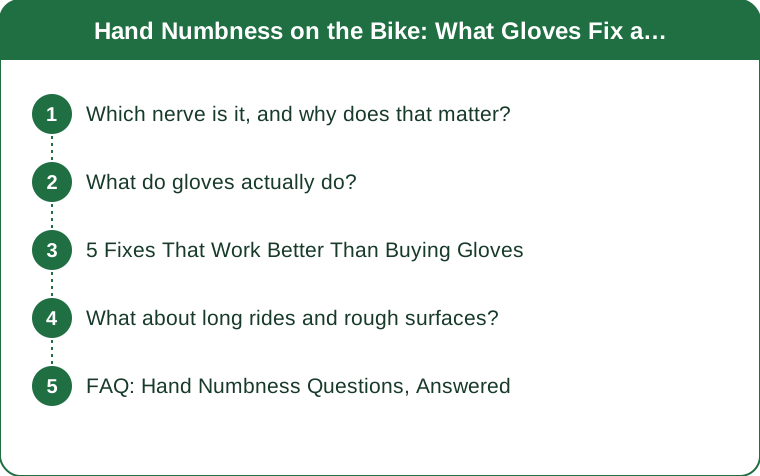
Which nerve is it, and why does that matter?
Two nerves pass through the hand in positions that handlebars compress, and which fingers go numb tells you which one.
Ulnar nerve - the outer two fingers. The ulnar nerve passes through a narrow channel at the outside base of the palm, near the heel of the hand. This is exactly where most riders rest weight on the bar tops or hoods. Sustained pressure there produces numbness and tingling in the ring and little fingers, and in more persistent cases weakness in grip. It is common enough among cyclists that it has an informal name in the sports medicine literature.
Median nerve - thumb, index, middle, and half the ring finger. The median nerve passes through the carpal tunnel at the centre of the wrist. Compression here is more associated with a sharply extended wrist position - riding with the wrist bent backwards - than with direct palm pressure.
Why the distinction matters: the fixes differ. Ulnar symptoms respond to redistributing pressure away from the outer heel of the palm - padding placement, hand position changes, less weight through the hands. Median symptoms respond to straightening the wrist angle, which is largely a bar height, reach, and hood-angle question.
And a third possibility worth naming: numbness across the whole hand, or in both hands with neck or shoulder symptoms, can originate higher up - at the neck or shoulder rather than the hand. That pattern is worth getting assessed rather than solving with gloves. This is general information, not medical advice - persistent numbness, weakness, or symptoms that continue between rides should be seen by a professional.
What do gloves actually do?
Less than the marketing suggests, and in a more specific way.
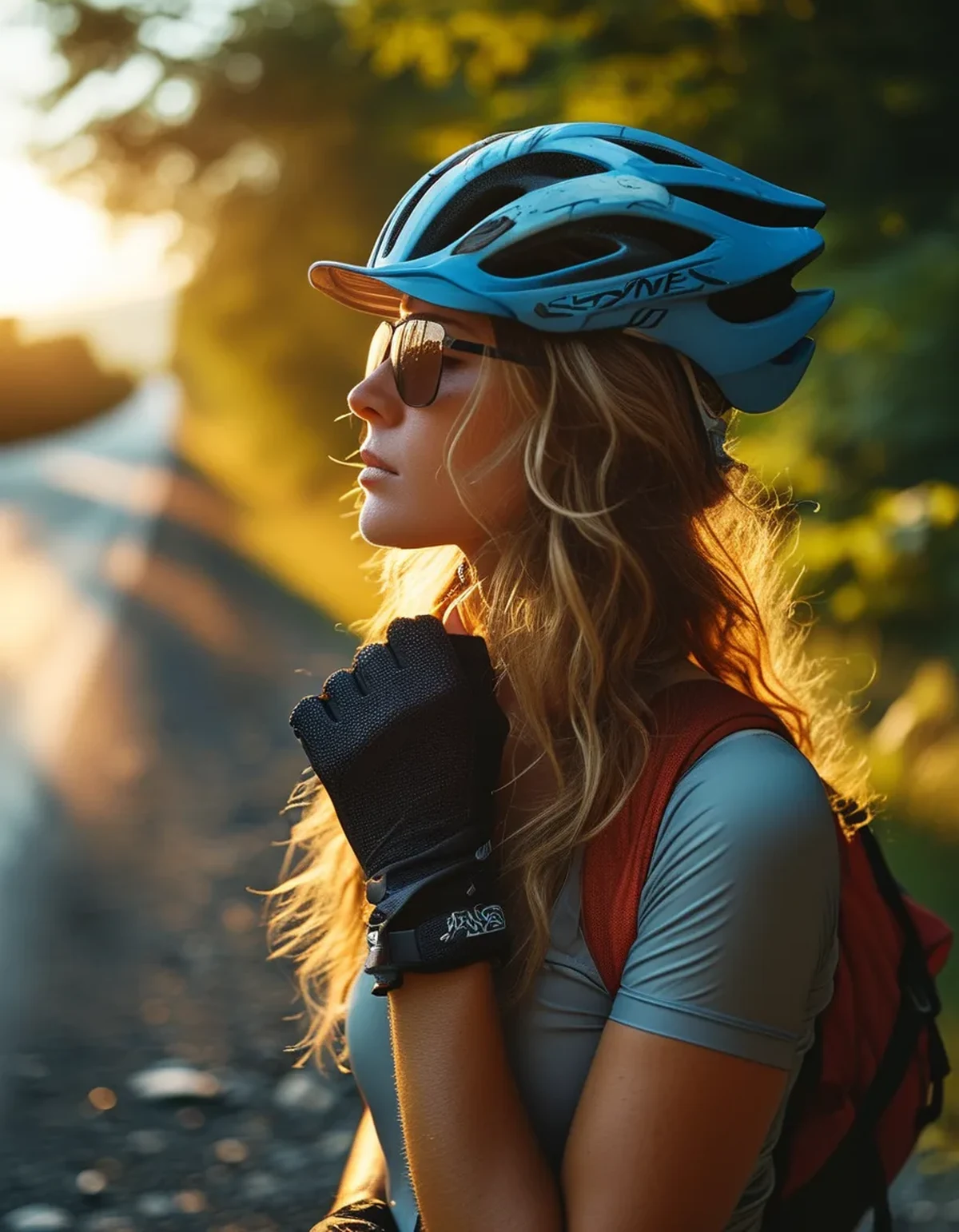
A glove does three genuinely useful things: it adds a friction layer that lets you hold the bar with less grip force, it spreads pressure slightly over a wider area, and it provides some vibration damping from road buzz.
What it does not do: change how much of your body weight is going through your hands. That is a bike fit issue, and it is the dominant variable. A rider with too much weight on the front end will get numb hands in any glove made.
Padding placement matters far more than padding thickness. The goal is padding on either side of the ulnar channel, supporting the surrounding tissue while leaving the channel itself relatively unloaded. A glove with a uniform slab of gel across the whole palm does the opposite - it fills the hollow and transmits pressure directly into the nerve.
Look for:
- Padding divided into distinct zones with a gap or thinner section over the outer heel of the palm.
- Gel or foam of moderate thickness. More is not better past a point.
- A snug fit with no bunching, since a wrinkled glove creates a pressure ridge exactly where you do not want one.
- Thin, breathable material elsewhere - a glove that makes your hand swell in summer heat adds pressure of its own.
And bar tape or grips do a similar job. Doubling bar tape or fitting thicker grips spreads pressure over a broader area and is often more effective per pound spent than upgrading gloves.
5 Fixes That Work Better Than Buying Gloves
1. Change hand position every few minutes. Numbness comes from sustained pressure in one spot. Moving between hoods, tops, and drops - or between two positions on a flat bar with bar ends - resets the pressure point before symptoms develop. Set a reminder every ten minutes on a long ride until it becomes automatic. This is the single most effective intervention and it costs nothing.
2. Unweight the hands with your core. A rider holding position through the hands rather than supporting the torso with hips and core dumps weight forward. Riding for a minute with your hands hovering slightly above the bar - on a safe, quiet, straight stretch - shows you how much your body is actually leaning on them.
3. Relax the grip. Most riders hold the bar far harder than necessary, particularly when tired or on rough surfaces. A death grip increases pressure and forearm tension simultaneously. Consciously loosening to the lightest control-preserving grip helps within a single ride.
4. Check saddle tilt before anything else on the bike. A saddle nose tilted down slides you forward and puts weight onto the hands continuously. It is the most common fit error behind hand numbness and it is a two-minute adjustment. Level, or very slightly nose-down at most, is the usual starting point.
5. Look at reach and bar height. A cockpit that is too long or too low forces more weight forward and often bends the wrist. Raising the bar with a spacer or a shorter stem redistributes weight to the saddle. If numbness persists after the free fixes, this is where the money should go - a proper bike fit, not more gloves.
What about long rides and rough surfaces?
Duration and vibration each add their own mechanism.
Vibration matters independently of pressure. Road buzz transmitted through the bars contributes to nerve irritation over hours. This is why the same position feels fine on smooth tarmac and produces numbness on a rough surface. Options that reduce it:
- Slightly wider tyres at lower pressure. This is the highest-impact change on most bikes and it also improves comfort and grip generally.
- Double-wrapped bar tape, or gel strips under the tape.
- Carbon bars or a suspension stem on bikes where that is practical.
Duration compounds everything. Symptoms that never appear on a 45-minute commute reliably appear at hour three. If your riding is increasing in length, the position that worked at short distances may need revisiting - which is a normal part of riding more, not a sign something is wrong.
Swelling contributes in summer. Hands swell on long rides, particularly in heat, and a glove that fit at the start can be constricting by hour two. Gloves with some stretch, and removing them at stops, both help.
And a practical mid-ride protocol: when numbness starts, shake the hand out, change position, and open and close the fist ten times. Do it at the first sign rather than at the point of full numbness. Symptoms caught early resolve within a minute; symptoms allowed to develop can persist for hours after the ride, and repeated episodes are what turn an annoyance into something that needs medical attention.
FAQ: Hand Numbness Questions, Answered
Why do my hands go numb when cycling?
Sustained pressure on a nerve in the palm or a bent wrist position compresses either the ulnar nerve, producing numbness in the outer two fingers, or the median nerve, producing numbness in the thumb side. Excess weight through the hands from bike fit is the usual underlying cause.
Do padded cycling gloves help with numbness?
They help modestly if the padding is zoned to relieve the outer heel of the palm. Uniform thick gel padding can make ulnar compression worse by filling the hollow the nerve sits in. Position changes and bike fit matter more.
How long does cycling hand numbness last?
Usually minutes to an hour after a ride. Numbness persisting for many hours, weakness in the hand, or symptoms that continue day to day should be assessed medically rather than managed with equipment. This is general information, not medical advice.
What handlebar setup reduces hand pressure?
A level saddle, a bar height that does not force excessive forward lean, a reach that lets the elbows stay slightly bent, and wider tyres at lower pressure to reduce vibration. Multiple hand positions available on the bar matter more than any single position being perfect.
TL;DR:
- Outer two fingers means ulnar nerve; thumb side means median nerve. The fixes differ.
- Gloves help by reducing grip force and spreading load, not by removing weight from your hands.
- Zoned padding beats thick uniform gel, which can fill the hollow and worsen ulnar pressure.
- Change hand position every few minutes, relax the grip, and check saddle tilt before spending anything.
- Persistent numbness or weakness between rides is a medical question, not a kit question.
The gloves are not useless. They are just the fourth-best fix, and most people buy them first and stop there.
Keep Reading
This article is for general informational and styling purposes only. Fit, sizing, and product availability may vary.