Why Your Cycling Kit Fades So Much Faster Than Other Activewear
Quick Answer: Cycling kits fade faster mainly because of prolonged direct UV exposure combined with sweat and friction against a saddle or bike frame, not lower fabric quality — washing in cold water, drying away from direct sun, and choosing kits with UV-stabilized dyes all meaningfully slow the fade.
A jersey that looked vibrant three months ago fading to a dull, washed-out version isn’t unusual for cycling specifically — the sport’s sun exposure profile is genuinely different from an indoor gym session.
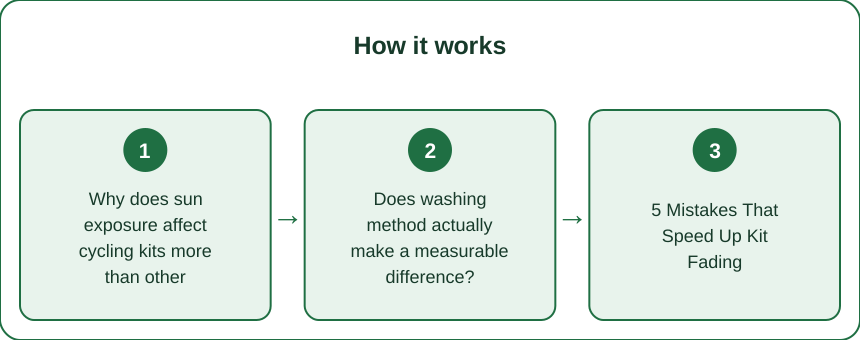
Why does sun exposure affect cycling kits more than other activewear?
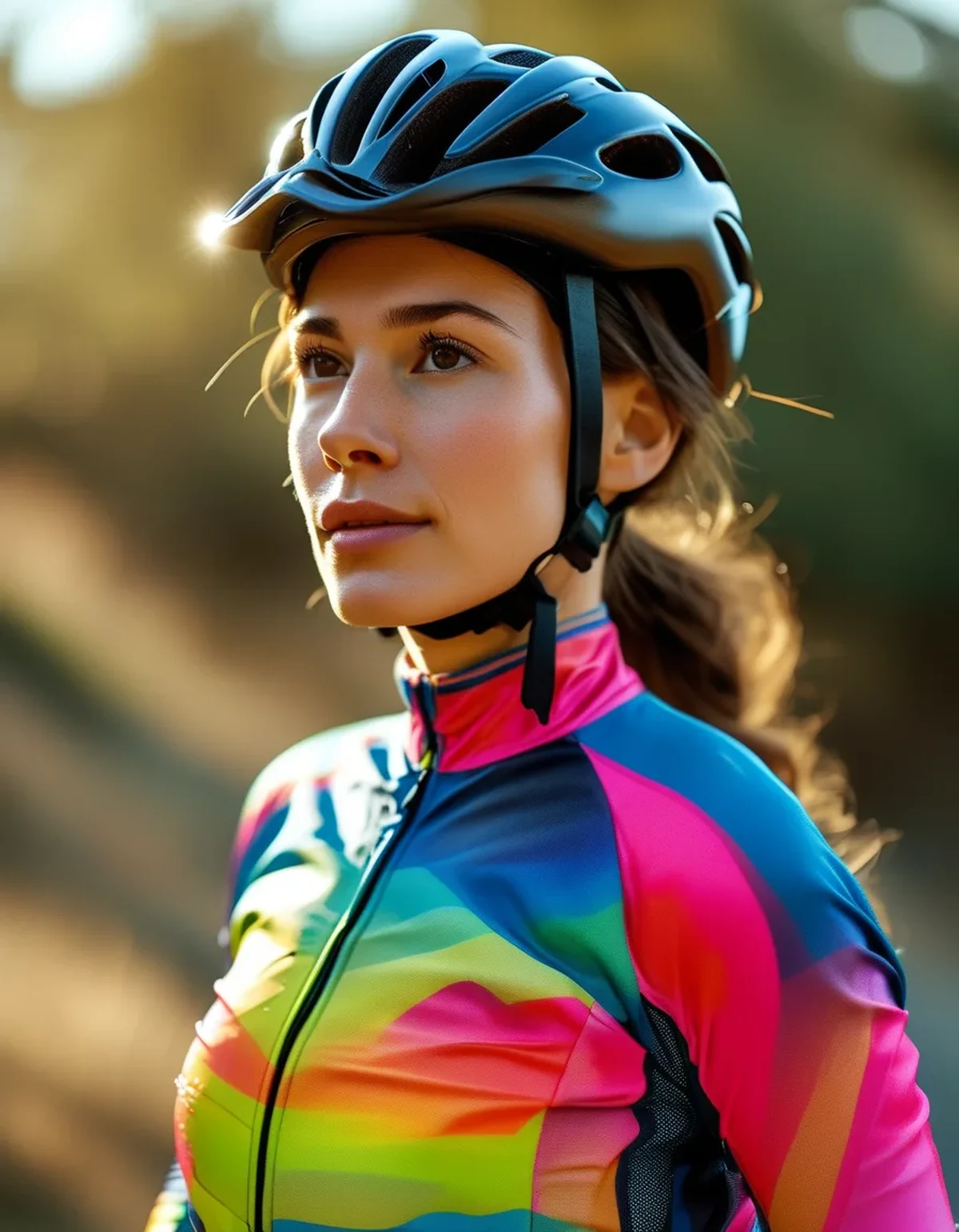
A typical outdoor ride puts fabric under direct UV exposure for 1-3+ hours at a stretch, repeated multiple times a week, which is a meaningfully higher cumulative UV dose than most other activewear sees — UV radiation breaks down dye molecules over time, so more exposure hours translates fairly directly into faster visible fading.
Does washing method actually make a measurable difference?
Yes — hot water and high-heat drying both accelerate dye breakdown and fiber wear, while cold-water washing and air-drying (ideally in shade, not direct sun) measurably slow fading over the life of the garment. Turning the kit inside out before washing also reduces surface friction against other items in the wash.
5 Mistakes That Speed Up Kit Fading
- Drying kits on a sunny balcony or line, which adds extra UV exposure on top of what the ride already delivered.
- Washing cycling kits with rougher fabrics (like towels) that increase abrasion.
- Using regular detergent with optical brighteners, which can interact poorly with technical dyes over time.
- Letting sweat-soaked kits sit before washing, since salt residue can accelerate dye breakdown.
- Skipping the inside-out step, exposing the printed/dyed outer surface directly to washer agitation.
Do darker or brighter colors fade at different rates?
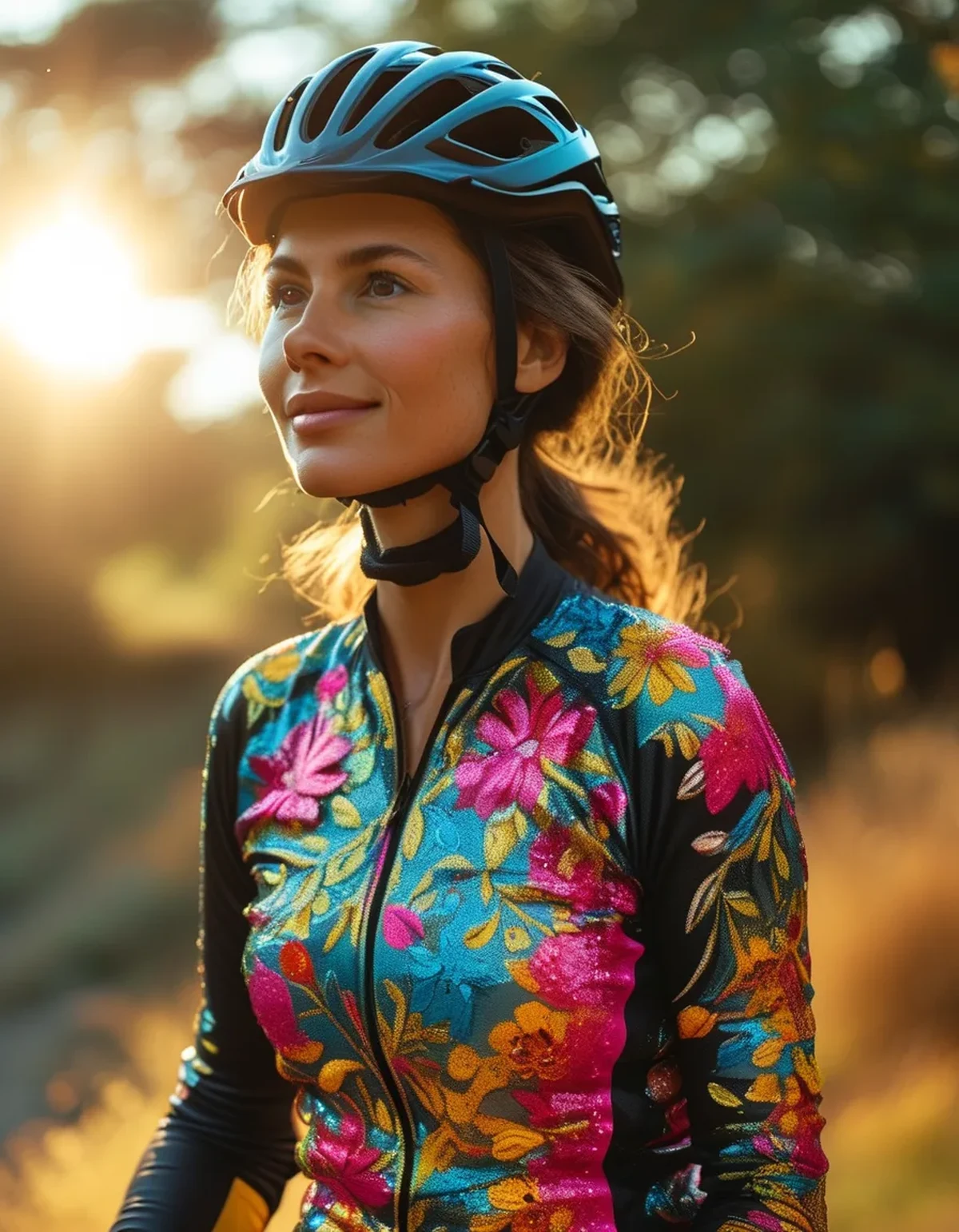
Bright, saturated colors (especially reds and certain synthetic dyes used for high-visibility kits) often show visible fading sooner than darker, more muted tones, simply because the contrast against the original shade is more noticeable — the underlying UV damage mechanism is the same across colors.
FAQ: Cycling Kit Fading Questions, Answered
Can a faded kit be restored, or is it permanent?
Dye fading from UV exposure is generally permanent — there’s no reliable at-home fix, though a faded kit is usually still functionally fine to wear and ride in.
Does a UPF-rated kit fade slower than a non-rated one?
Not necessarily — UPF rating measures how much UV the fabric blocks from reaching your skin, which isn’t the same property as dye UV-resistance, though some higher-quality technical fabrics do perform better on both.
How often should I replace a kit that’s fading but not worn out?
If the fabric itself (elasticity, seams, chamois) is still performing well, fading alone doesn’t require replacement — it’s a cosmetic issue, not a functional one.
TL;DR:
- Cycling kits fade faster mainly due to longer, more frequent direct UV exposure than other activewear
- Cold-water washing and shade-drying meaningfully slow the fade
- Avoid drying kits in direct sun — that adds UV exposure on top of the ride itself
- Bright, saturated colors show fading sooner but aren’t fading faster at the fabric level
A faded kit usually still performs fine — a few small washing habit changes just help it look newer for longer.
Keep Reading
This article is for general informational and styling purposes only. Fit, sizing, and product availability may vary.