Why Your Cycling Kit Size Changes Depending on the Brand You Buy
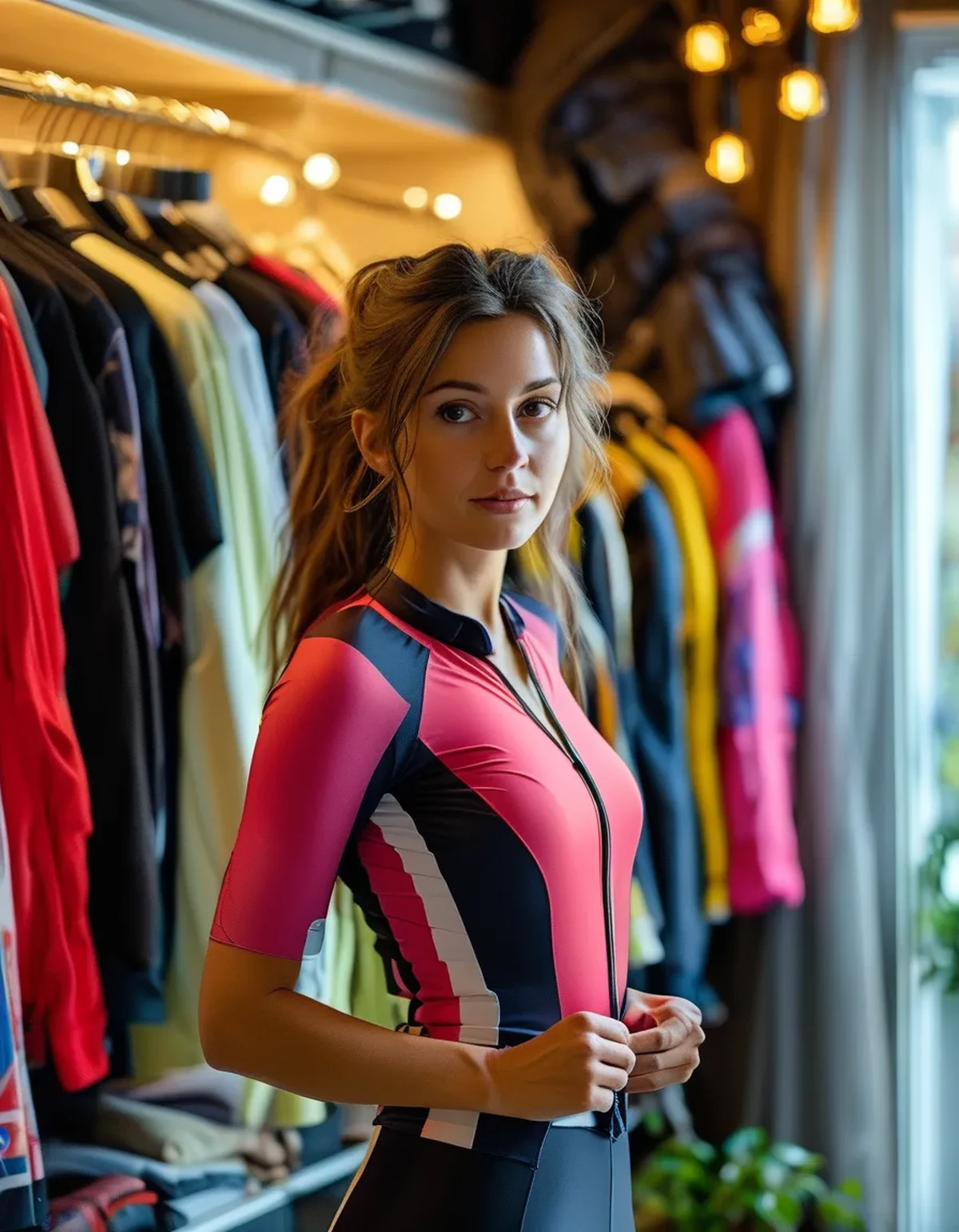
Quick Answer: Cycling kit sizing varies by brand because each company builds its size chart around a different rider body and fit philosophy — European brands tend to run tighter and shorter in the torso, while US brands often add more room through the hips and thighs, so a medium in one label can fit like a small or large in another.
You finally find a size that fits, order the same size from a new brand, and it’s a completely different garment on your body. That’s not a fluke — it’s the industry.
Why don’t cycling brands use a standard size chart?
There isn’t an industry-wide sizing standard for cycling apparel, and each brand builds its charts around its own fit model and target rider — often based on the body type of the region where the brand was founded. European road-racing brands frequently design for a leaner, longer torso; brands built for recreational and gravel riding tend to size more generously through the hips and quads.
Which measurements actually matter most when switching brands?
Chest, waist, and inseam matter, but hip and thigh circumference matter just as much for cycling shorts specifically, since chamois padding placement depends on that fit. Always check the brand’s own size chart in inches or centimeters rather than assuming your usual letter size (S/M/L) carries over.
Does jersey sizing differ from shorts sizing within the same brand?
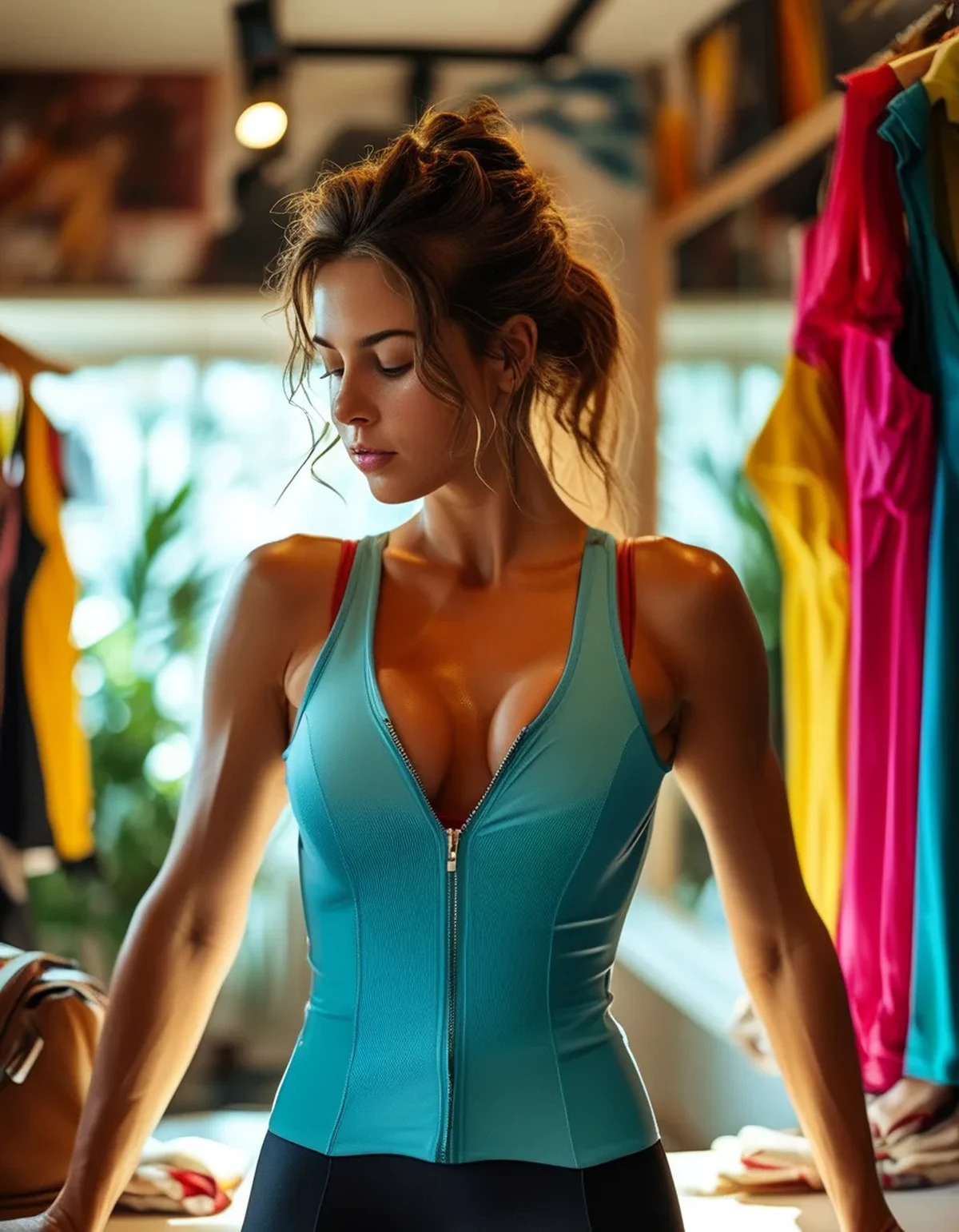
Often, yes. Jerseys are typically cut closer to the body for aerodynamics, so brands sometimes size jerseys slightly tighter than their shorts or bibs. If a brand’s jersey runs small on you, that doesn’t necessarily mean their shorts will too — check each garment’s chart separately.
Myth vs Fact: Cycling Kit Sizing
Myth: your usual size (S/M/L) is a safe bet across any cycling brand. Fact: letter sizes are the least reliable data point in cycling apparel — two mediums from different brands can differ by two or more inches in chest circumference. Myth: sizing up always fixes a snug fit. Fact: sizing up in cycling shorts can push the chamois pad out of position, which causes more discomfort than a slightly snug correct size.
FAQ: Cycling Kit Sizing Questions, Answered
Should I size up if I’m between two sizes on a brand’s chart?
For shorts and bibs, sizing down slightly is often safer than sizing up, since cycling apparel is meant to fit snugly and stretches with wear — sizing up risks chamois misplacement and fabric bunching.
Do men’s and women’s cycling kit from the same brand use comparable sizing logic?
Not always — women’s-specific cuts usually account for different hip-to-waist ratios and torso length, so a size comparison between men’s and women’s lines within the same brand isn’t reliable either.
Is it worth ordering two sizes when trying a new brand for the first time?
If the brand has a flexible return policy, yes — this is a common and reasonable strategy for cycling shorts specifically, since fit problems are hard to predict from a size chart alone.
TL;DR:
- Cycling brands don’t share a standard size chart — each builds around its own fit model
- Check the brand’s specific measurements (not just S/M/L) every time you switch
- Jersey and shorts sizing can differ even within the same brand
- When trying a new brand, ordering two sizes with a flexible return policy is a reasonable safety net
Treat every new cycling brand as its own sizing system, and you’ll save yourself a lot of ill-fitting kit.
Keep Reading
This article is for general informational and styling purposes only. Fit, sizing, and product availability may vary.