Cycling Layering for Every Season: How to Dress for the Ride (Not the Start Line)
Quick Answer: Dress so you feel slightly cool standing at the start — you’ll warm up within 10-15 minutes of riding. Build every outfit on a wicking base layer, add removable arm and leg warmers plus a packable windproof vest or shell for adjustability, and cover the extremities first when it’s cold. Fitted layers beat loose ones, because flapping fabric is both cold and slow.
You step outside, feel the chill, and go back in for the thicker jacket.
Twenty minutes later you’re sweating through it on a climb, with nowhere to put it, and you’ll be freezing on the descent because that sweat has nowhere to go.
This is the single most common cycling clothing mistake, and the fix is one sentence: dress for the ride, not the start line.
Why Should You Start a Ride Feeling Cold?
Because your body generates a great deal of heat once you’re working, and it takes about 10-15 minutes to get there.
The standing-still version of you and the riding version of you want completely different amounts of clothing. If you dress to be comfortable at the start, you’re dressed for about 8% of the ride.
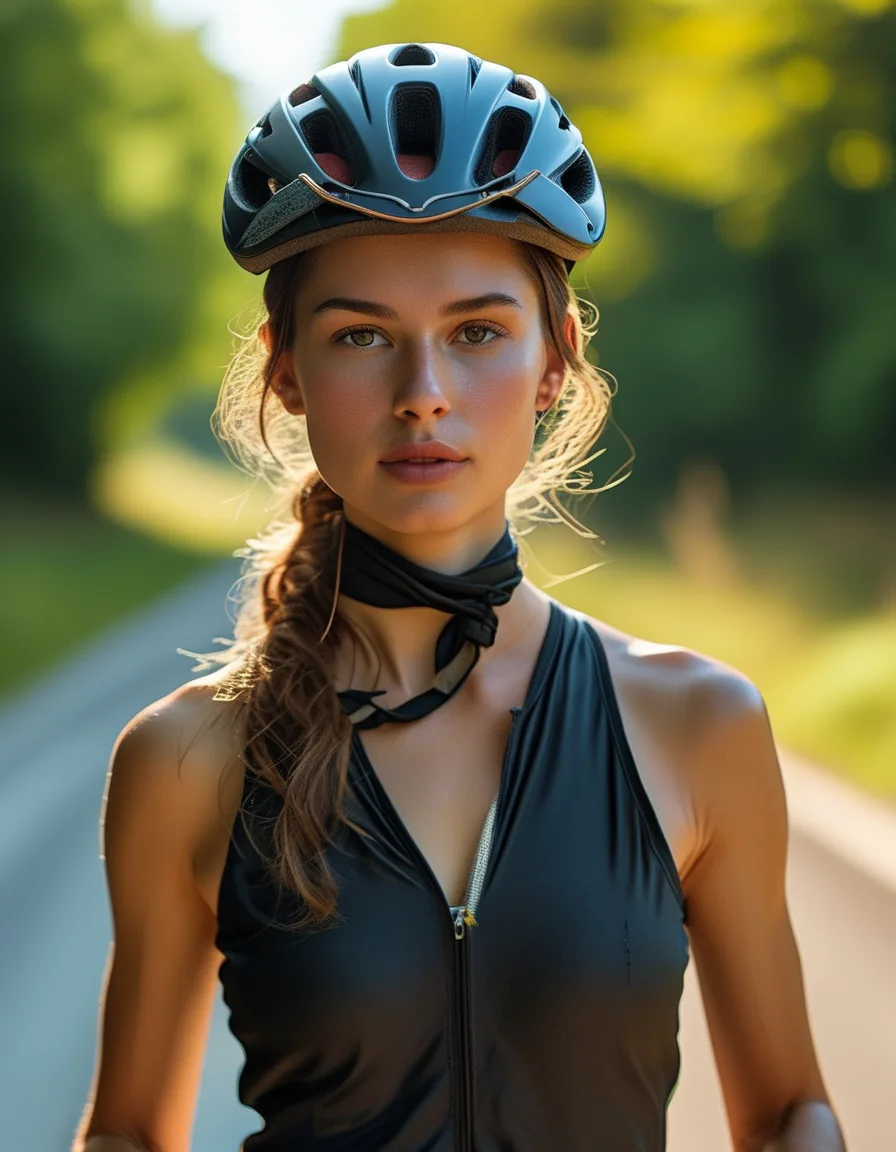
The rule: at the moment you clip in, you should feel slightly cool — noticeably underdressed, but not shivering. If you feel perfect standing there, you’re overdressed.
There’s a second reason this matters more on a bike than when running or walking: you generate your own wind. At 20km/h you’re in a constant 20km/h breeze, and on descents you’re doing 40-50km/h while producing almost no heat. Sweat that felt fine on the climb becomes genuinely cold three minutes later.
Hence the whole philosophy: layers you can add and shed mid-ride, rather than one correct outfit chosen in advance.
What Should You Wear in Each Season?
Always, in every season: a wicking base layer. Even in summer. Its job is moving sweat off your skin so it can evaporate from the outer fabric instead of sitting against you. A cotton t-shirt does the exact opposite and becomes a cold wet blanket on the first descent.
Warm (20°C / 68°F and up): short-sleeve jersey, chamois shorts, light socks, fingerless gloves. Sunscreen counts as kit.
Cool (12-20°C / 54-68°F): base layer, jersey, arm warmers, and a packable gilet (vest). This combination covers an enormous range and rolls into a jersey pocket. If you buy two things for shoulder season, buy these.
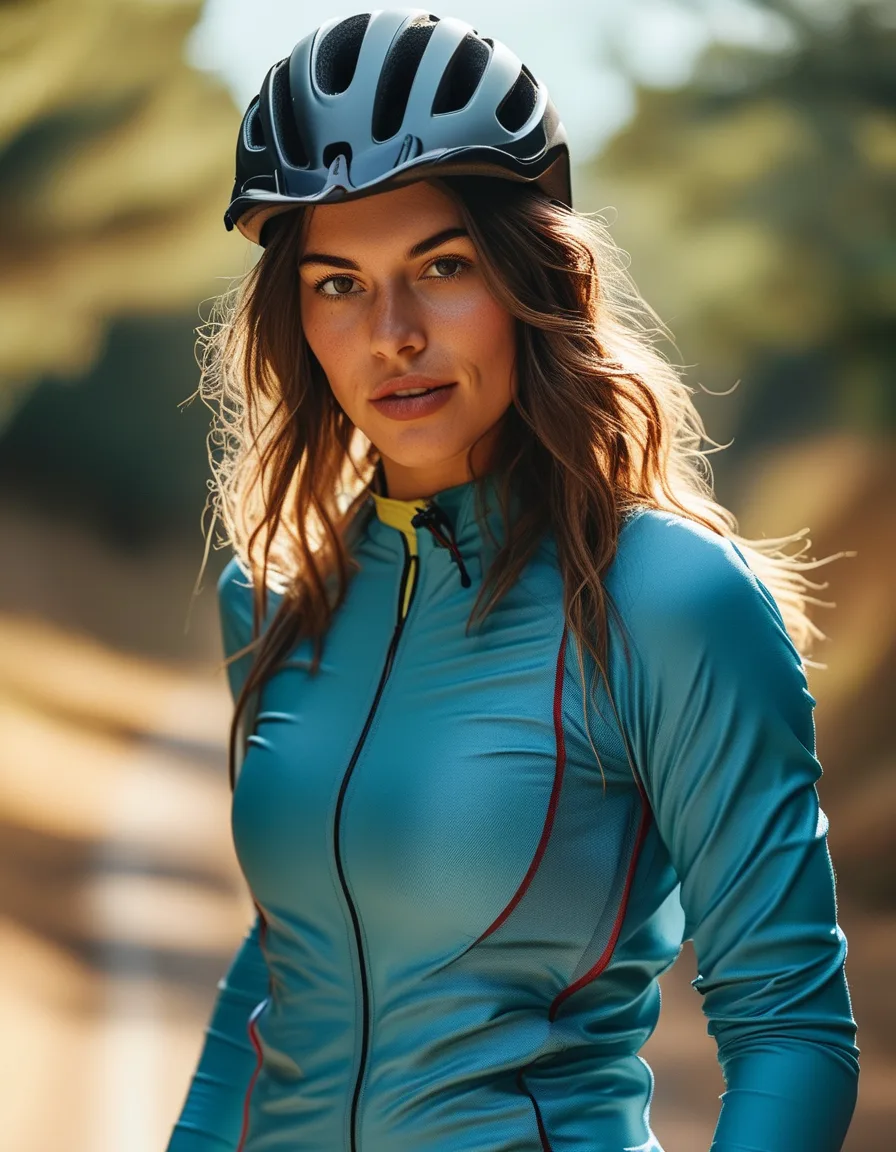
Cold (5-12°C / 41-54°F): thermal base layer, long-sleeve jersey or thermal jersey, leg warmers or bib tights, full-finger gloves, a windproof jacket, and a cap or headband under the helmet.
Very cold (below 5°C / 41°F): add a thermal jacket, winter-weight bib tights, insulated gloves, overshoes, and a neck gaiter. Prioritise extremities — hands, feet, and ears lose comfort first and ruin rides fastest, and cold hands genuinely compromise your braking.
Wind and rain: a windproof or waterproof shell. Wind protection matters more than most riders expect — a thin windproof gilet over a jersey is often worth more than a much thicker garment without wind resistance.
And the foundation of all of it: chamois shorts. No underwear underneath (that’s what causes chafing), and a proper chamois pad. For anything over an hour, this matters more to your comfort than every other layer combined.
5 Mistakes Everyone Makes With Cycling Layers
- Wearing cotton anywhere. Cotton holds sweat rather than moving it, which makes you cold when you stop climbing. Synthetic or merino, always.
- Buying loose layers for comfort. Flapping fabric is colder (it pumps cold air in), slower, and noisier. Cycling kit is fitted for functional reasons, not aesthetic ones.
- Skipping the extremities in cold weather. Riders will buy an expensive jacket and keep riding in thin gloves. Cold hands end rides. Gloves, overshoes, and something under the helmet deliver far more comfort per dollar.
- Not carrying a packable layer. A gilet weighs almost nothing, packs to the size of a sandwich, and turns a miserable descent into a fine one. There is no good reason to leave it at home.
- Forgetting visibility. In low light, a bright or reflective outer layer matters more than any fabric technology. It’s the layer decision with actual safety consequences.
What Should You Look For in Cycling Fabrics?
- Wicking and breathable — moves sweat outward. Merino also handles odour well on longer rides.
- Fitted, not flapping — closer cut is warmer, faster, and more comfortable.
- Windproof yet breathable outers — blocking wind while letting sweat vapour escape is the hard trick; a good shell does both, a plastic rain jacket does one.
- Packable — if a layer doesn’t fit in a jersey pocket, you’ll leave it behind on marginal days, which are exactly the days you need it.
- Visible — bright colours and reflective detail on outer layers.
- A good chamois — the comfort foundation everything else sits on.
Mini FAQ
What temperature do I need arm warmers?
Roughly 12-20°C (54-68°F) is arm-warmer territory, though it depends on wind and how hard you’re riding. Their advantage is that you can roll them down at the top of a climb without stopping, which makes them useful well outside that band.
Should I wear a rain jacket or just get wet?
In mild rain above about 15°C, many riders prefer getting wet to overheating inside a waterproof. Below that, or on long rides, a breathable waterproof shell is worth it — the risk isn’t the rain, it’s getting chilled once you stop working.
How do I stop my feet getting cold?
Overshoes make the biggest difference, since cycling shoes are deliberately ventilated. After that: wool socks rather than thicker synthetic ones, and check your shoes aren’t so tight that they restrict circulation, which is a common hidden cause.
TL;DR:
- Feel slightly cool at the start — you’ll warm up within 10-15 minutes of riding.
- Wicking base layer in every season. Never cotton.
- Arm warmers plus a packable gilet cover the widest temperature range for the least bulk.
- In cold weather, prioritise extremities: gloves, overshoes, and a cap under the helmet.
- Fitted beats loose, windproof-yet-breathable beats thick, and a good chamois matters more than any other single item.
Keep Reading
This article is for general informational and styling purposes only. Fit, sizing, and product availability may vary.