The Chamois Break-In Period Nobody Warns New Cyclists About
A brand new pair of cycling shorts that feels genuinely uncomfortable for the first several rides, right when a new cyclist is already trying to figure out if cycling itself is comfortable, creates a confusing signal — is it the shorts, or is this just what cycling feels like? Often, it’s neither exactly, it’s a real, temporary break-in period that rarely gets mentioned upfront. Here is why the chamois needs an adjustment period and how to get through it correctly.


Why a New Chamois Needs a Real Break-In Period
The specific reasons: the the-foam-padding-needs-to-compress-and-conform-to-your-specific-anatomy-over-repeated-use (the chamois padding material, per the cycling-shorts-chamois-guide logic, starting in a uniform factory shape that hasn’t yet compressed and molded to an individual rider’s specific anatomy, a process that takes real repeated saddle time to complete — the the-padding-literally-needs-repeated-compression-cycles-to-conform-to-your-specific-body), the the-fabric-needs-to-soften-and-lose-some-initial-stiffness-through-washing-and-wear (the new technical fabric often being noticeably stiffer straight out of the packaging than after several wash and wear cycles have softened it, similar to how many performance fabrics behave when new — the fabric-stiffness-genuinely-decreases-with-washing-and-wear-not-just-perception), the the-your-own-sit-bones-and-soft-tissue-need-their-own-adaptation-period-independent-of-the-shorts (the body itself needing an adjustment period to saddle pressure and time in the riding position, an adaptation that happens in parallel with the chamois break-in and is sometimes hard to separate from it, per the saddle-comfort-women-guide logic — the your-own-bodys-adaptation-and-the-chamois-adaptation-are-happening-simultaneously-and-can-be-hard-to-tell-apart), the the-seam-placement-discomfort-often-eases-as-both-fabric-and-body-adjust-together (the seam placement that feels noticeable or irritating in early rides frequently becoming less noticeable as fabric softens and skin adjusts together over the same adaptation period — the seam-discomfort-specifically-tends-to-improve-as-both-factors-adjust-in-parallel), and the reframe (the early discomfort as a real, temporary, dual adaptation process — both the chamois itself and the rider’s own body adjusting together — rather than a clear signal the specific shorts are simply the wrong choice).

How to Tell a Normal Break-In From Actually Wrong Shorts
The distinguishing signs: the normal-break-in-discomfort-gradually-improves-ride-over-ride (the discomfort trending noticeably better across the first several rides, even if not gone entirely, being the expected pattern for a genuine break-in process — the a-gradual-improving-trend-across-rides-is-the-hallmark-of-normal-break-in), the the-a-genuine-poor-fit-produces-discomfort-that-stays-flat-or-worsens-despite-repeated-use (the discomfort that isn’t improving at all after a reasonable number of rides, or is actually getting worse, pointing toward an actual fit or sizing problem rather than a normal adaptation process — the flat-or-worsening-discomfort-over-several-rides-points-away-from-normal-break-in-and-toward-an-actual-fit-problem), the the-sharp-specific-pain-versus-general-diffuse-discomfort-is-a-meaningful-distinction (the sharp, localized pain at a specific point being more concerning and less consistent with normal break-in than a general, diffuse discomfort that’s gradually improving — the sharp-localized-pain-is-a-different-and-more-concerning-signal-than-general-diffuse-discomfort), the the-chamois-pad-position-relative-to-your-specific-anatomy-not-shifting-correctly-over-repeated-wear-suggests-a-sizing-or-style-mismatch (the pad positioning that never quite lines up correctly no matter how many rides have passed suggesting the specific chamois shape or short size doesn’t match your anatomy, rather than needing more break-in time — the persistent-pad-misalignment-across-many-rides-suggests-a-mismatch-not-a-break-in-issue), and the frame (the distinguishing signs as a gradually improving trend for normal break-in versus flat or worsening discomfort for an actual fit problem, and diffuse general discomfort versus sharp localized pain, plus whether pad positioning ever settles correctly — enough concrete signals to tell the two apart with a bit of ride time and attention).
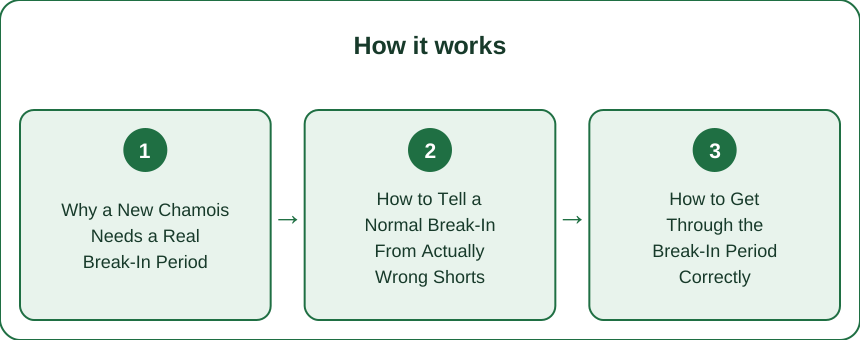
How to Get Through the Break-In Period Correctly
What actually helps: the wash-new-shorts-several-times-before-the-first-ride-if-possible (the pre-washing new shorts a few times before ever riding in them getting a head start on the fabric-softening part of the adaptation process — the pre-washing-jumpstarts-part-of-the-adaptation-before-the-first-ride-even-happens), the the-start-with-shorter-rides-during-the-break-in-window-rather-than-a-long-ride-immediately (the choosing shorter initial rides specifically during the break-in period, saving longer rides for once both chamois and body have had some adaptation time, per the essential-cycling-kit-for-beginners-guide logic — the shorter-initial-rides-reduce-the-stakes-of-the-adaptation-period-itself), the the-use-chamois-cream-more-liberally-during-the-break-in-period-specifically (the applying more generous chamois cream specifically during this early adaptation window, when both fabric stiffness and body adaptation are working against comfort simultaneously, easing off once the break-in period has genuinely passed — the more-generous-cream-use-specifically-during-break-in-eases-the-double-adaptation-burden), the the-give-it-a-genuine-multiple-ride-trial-before-concluding-the-specific-shorts-are-wrong (the committing to several rides, not just one uncomfortable first ride, before judging whether a specific pair is actually a poor fit, since one data point can’t distinguish normal break-in from an actual mismatch — the a-real-multi-ride-trial-is-necessary-before-a-fair-judgment-about-the-specific-shorts), the the-if-discomfort-genuinely-isnt-improving-after-a-reasonable-trial-actually-return-or-exchange-rather-than-pushing-through-indefinitely (the following through on a return or exchange once the evidence points toward an actual fit mismatch rather than continuing to push through indefinitely on the assumption that break-in will eventually fix a problem that was never actually a break-in issue — the act-on-the-evidence-once-its-clear-its-not-just-break-in), and the frame (the way through as pre-washing before the first ride, starting with shorter rides during the adaptation window, using more chamois cream specifically during break-in, giving a genuine multi-ride trial before judging, and actually returning or exchanging shorts once the evidence points to a real mismatch rather than normal adaptation — getting through the real break-in period while still catching an actual wrong-fit pair in time).
New cycling shorts often feel genuinely uncomfortable for the first several rides because of a real, temporary dual adaptation process — the chamois foam padding needs repeated compression cycles to conform to an individual rider’s specific anatomy, new technical fabric is typically stiffer straight out of the packaging than after several wash cycles have softened it, and the rider’s own body needs its own parallel adaptation period to saddle pressure and time in the riding position. The way to tell normal break-in from an actual poor fit is watching the trend: discomfort that gradually improves ride over ride points to normal adaptation, while discomfort that stays flat or worsens despite repeated use, sharp localized pain rather than general diffuse discomfort, or chamois pad positioning that never settles correctly no matter how many rides have passed all point toward a genuine sizing or style mismatch instead. Getting through a real break-in period means pre-washing new shorts several times before the first ride to jumpstart fabric softening, starting with shorter rides during the adaptation window rather than a long ride immediately, using chamois cream more liberally specifically during this early period, giving any pair a genuine multi-ride trial before judging it, and actually following through on a return or exchange once the evidence clearly points to a real mismatch rather than pushing through indefinitely.
Keep Reading
This article is for general informational and styling purposes only. Fit, sizing, and product availability may vary.