Cycling Liner Shorts vs. Full Padded Shorts: Which One Actually Fits Your Ride
Quick Answer: Liner shorts (worn under regular shorts) suit casual, shorter rides where you want normal-looking outerwear with chamois protection underneath. Full padded cycling shorts suit longer rides where the compression fit and moisture management of a dedicated chamois short matters more than styling flexibility.
Both solve saddle discomfort, but they trade off differently between convenience and performance — picking based on your actual ride length and style matters more than picking based on marketing.
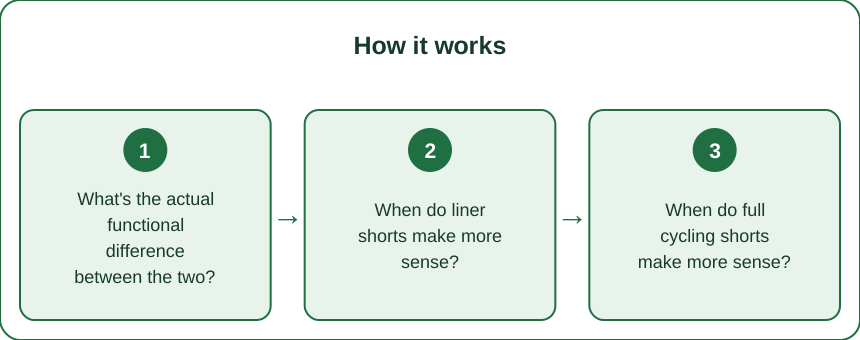
What’s the actual functional difference between the two?
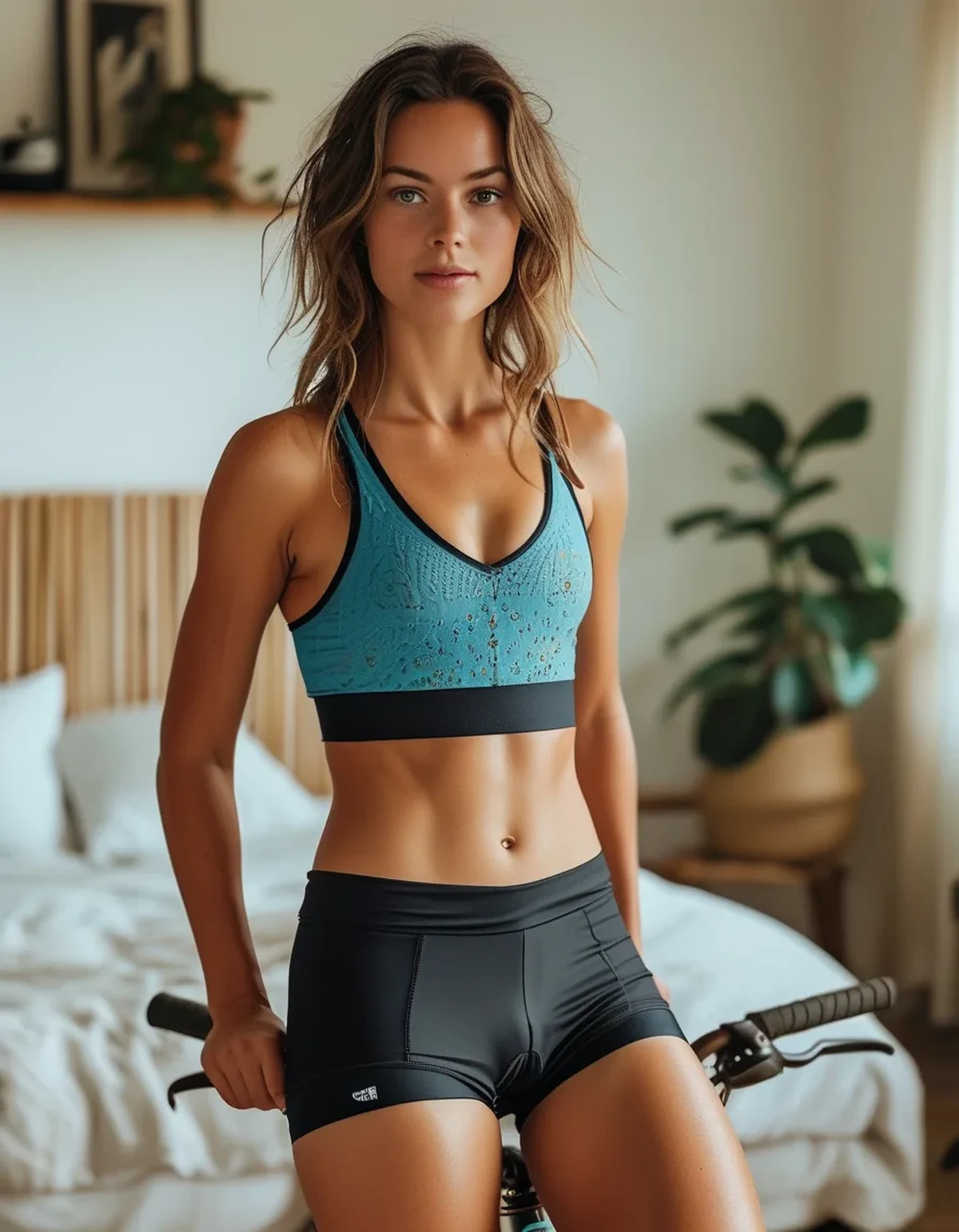
Liner shorts are looser-fitting with a basic chamois pad, designed to be worn under regular athletic or casual shorts — the priority is looking normal, not moisture-wicking performance. Full cycling shorts use compression fabric plus a more advanced chamois, designed to wick moisture and reduce fabric bunching directly against skin — the priority is performance over multiple hours in the saddle.
When do liner shorts make more sense?
Commuting rides where you want to look like you’re just wearing shorts, not cycling gear. Shorter recreational rides (under an hour) where basic chafing prevention matters more than advanced moisture management. Layering flexibility — liners let you pair the same chamois with different outer shorts depending on weather or destination.

When do full cycling shorts make more sense?
Rides over 60-90 minutes, where compression fit reduces fabric movement and friction that liners can’t match over longer durations. Hot weather or heavy sweat rides, where the moisture-wicking fabric of full cycling shorts genuinely reduces chafing risk that basic liners don’t address as well. Serious training rides where aerodynamics and muscle support from compression fabric provide a secondary benefit beyond just saddle comfort.
Do You Need Padded Cycling Shorts at All? Myth vs Fact
Myth: Any padded short works the same regardless of style. Fact: Chamois quality and shape vary significantly between liner and full-short products — a liner’s thinner pad is fine for short rides but can bunch or shift on longer ones.
Myth: Liners are just a cheaper version of full shorts. Fact: They’re designed for a different use case (convenience and normal styling), not simply a budget alternative to the same job.
FAQ: Cycling Liner vs. Full Shorts Questions, Answered
Can I wear liner shorts for a long ride in a pinch?
Yes, though expect more chafing risk on rides over 90 minutes without the compression and advanced moisture management of full shorts.
Do liner shorts work under any type of outer shorts?
Most work under looser shorts (athletic, casual) — very fitted or thin outer shorts may show the liner’s seams or bulk.
How long does a chamois pad typically last before needing replacement?
With regular washing and use, most chamois pads hold their cushioning for 1-2 years of consistent riding before compression noticeably degrades.
TL;DR:
- Liners suit shorter, casual rides where normal-looking outerwear matters
- Full cycling shorts suit longer rides where compression fit and moisture-wicking matter more
- The 60-90 minute mark is a reasonable line for switching from liner to full short
- Chamois quality, not just presence of padding, is what actually differs between the two
Keep Reading
This article is for general informational and styling purposes only. Fit, sizing, and product availability may vary.