What to Wear Under Cycling Shorts - and What Definitely Not To
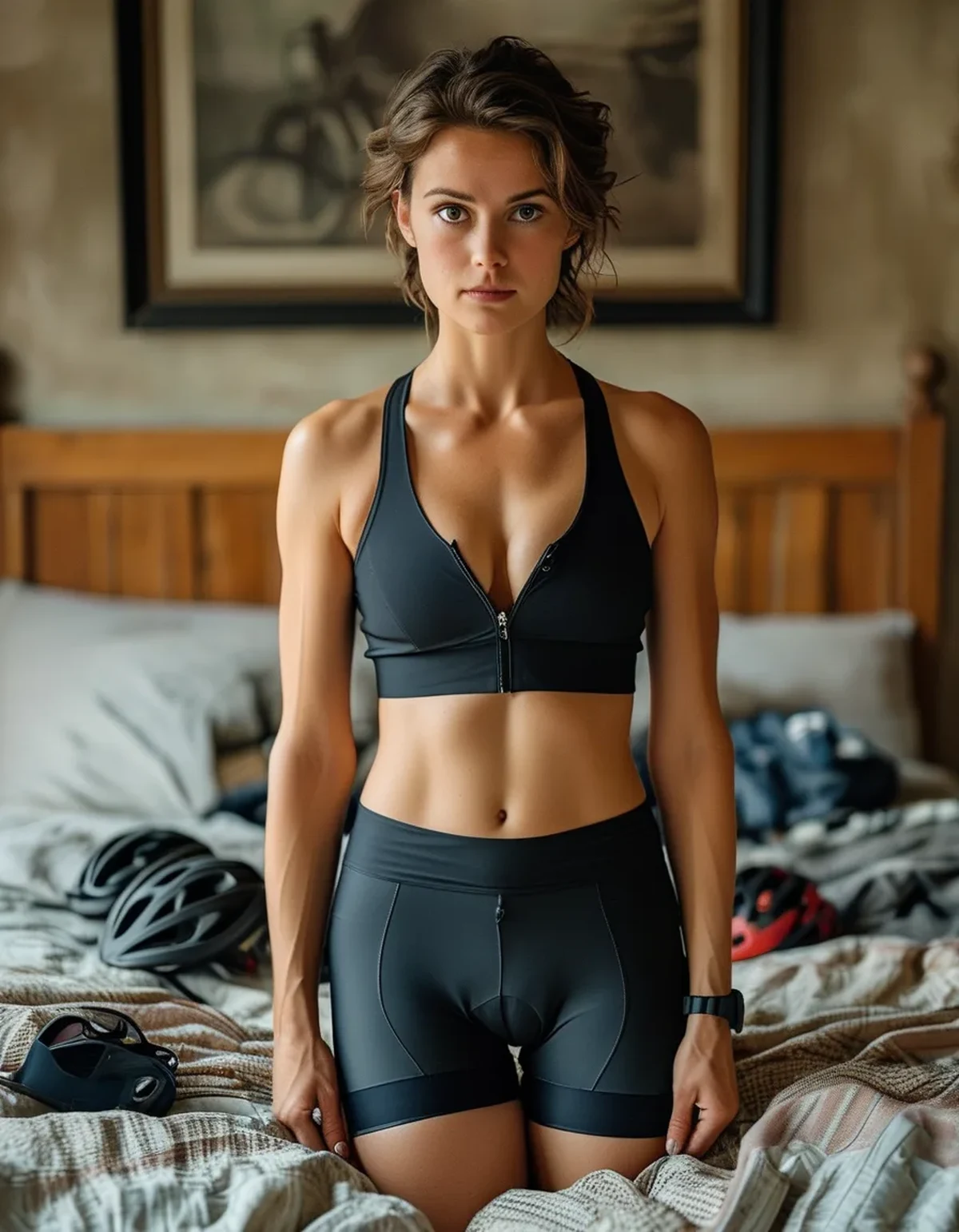
Quick Answer: Nothing. Padded cycling shorts are designed to be worn against bare skin, and adding underwear underneath introduces seams, extra fabric, and a layer that holds moisture - which is the exact combination that causes chafing and saddle sores. The chamois is engineered as a single interface between you and the saddle: it wicks, it has minimal seams where it matters, and it is antibacterial-treated in most modern shorts. Underwear defeats all three. The genuine exceptions are few - a liner short under baggy shorts is a different garment doing the same job, and a very short commute in unpadded shorts is not the same situation.
It feels wrong the first time. Everyone thinks so, and everyone stops thinking so after one ride.
Why is the chamois designed to go against bare skin?
Because every problem it is engineered to prevent is caused by the things underwear adds.
Seams are the main issue. Standard underwear has seams along the leg openings and often through the gusset. Under saddle pressure, on a rough road, at 80 to 90 pedal revolutions a minute, a seam becomes a repeated friction line pressed into soft tissue. The chamois is built specifically to avoid this - modern pads are moulded or bonded rather than stitched through the contact area, and shorts increasingly use bonded or flatlock leg grippers for the same reason.
Moisture is the second. Cotton underwear absorbs sweat and holds it. Damp fabric against skin under pressure is the recognised recipe for chafing, and it also creates the warm, moist environment where the bacteria behind saddle sores thrive. A chamois is designed to wick moisture away from the skin into the pad and out to the surface; underwear intercepts that pathway and holds the moisture at the skin.
Bunching is the third. Underwear moves independently of the shorts. Over an hour it rides, folds, and creates ridges exactly where you do not want them - and unlike a seam you can feel at the start, a fold appears halfway through a ride when you cannot do anything about it.
The pad itself is doing more than cushioning. A good chamois has variable density - firmer where the sit bones bear weight, softer elsewhere - and it is shaped to the anatomy it sits against. Adding a layer with different friction properties changes how the pad interfaces with you and reduces how well the shaping works.
Most modern chamois are treated with antibacterial finishes for this exact application, which is a further reason the design assumes direct skin contact - the treatment does nothing through a layer of cotton.
What about saddle sores and hygiene?
This is where the underwear instinct comes from, and it is worth addressing directly because the reasoning is understandable and backwards.
Saddle sores are usually blocked or infected hair follicles, caused by a combination of pressure, friction, heat, and moisture. They are not caused by a lack of a fabric barrier - they are caused by the conditions that a fabric barrier makes worse.
What actually prevents them:
- Clean shorts every single ride. Not a second wear, not a quick air-out. This is the single most important hygiene practice in cycling and the one most commonly skipped.
- Get out of the shorts immediately after riding. Sitting around in a damp chamois after a ride is one of the highest-risk behaviours, and it is common at cafés and after commutes.
- Shower reasonably promptly, and dry thoroughly.
- Chamois cream for longer rides. It reduces friction directly, and many contain antibacterial ingredients. Applied to the pad, to the skin, or both - all approaches work, and personal preference decides.
- Correct saddle and bike fit, which is the underlying cause of most persistent problems. A saddle that is too wide, too narrow, too high, or tilted changes where pressure lands, and no amount of kit compensates for it.
- Well-fitting shorts. Too loose means the pad moves against you; too tight means restriction and pressure. The pad should stay put without the shorts feeling constrictive.
If you already have a saddle sore: stop riding on it if you can, keep the area clean and dry, and let it heal. Riding through it reliably makes it worse. A sore that is spreading, very painful, or accompanied by fever needs medical attention - these can become genuinely infected.
On washing shorts properly: cold or warm wash, no fabric softener - which coats fibres and destroys wicking - and air dry. Turn them inside out so the chamois gets properly cleaned and properly dried, since a pad that is still damp is the problem you started with.
This is general information, not medical advice. A saddle sore that is worsening, very painful, or accompanied by fever should be seen by a healthcare professional.
When is there actually an exception?
A few genuine ones, and a lot of situations people think are exceptions and are not.
Real exceptions:
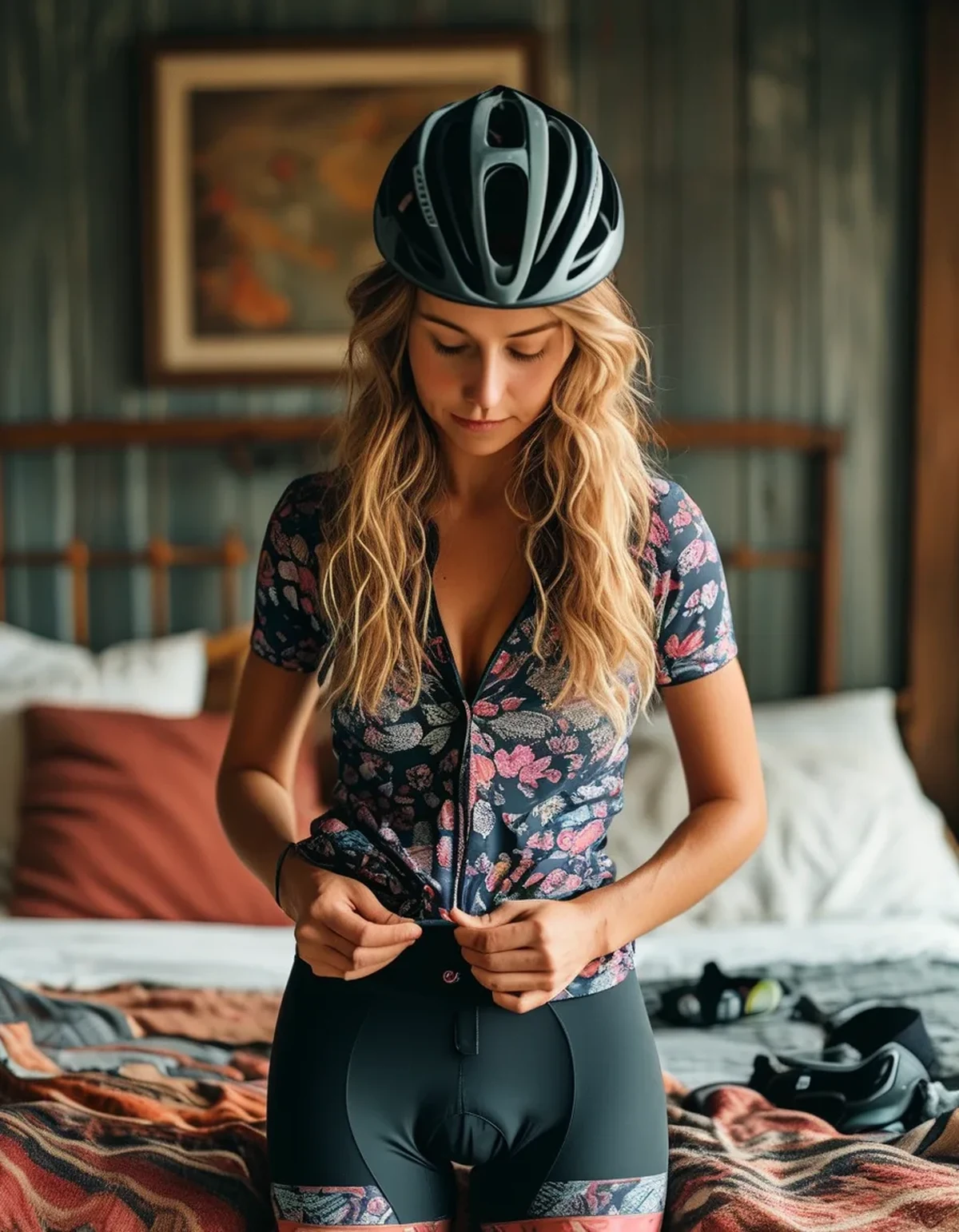
- Liner shorts under baggy shorts. Mountain bikers and commuters often wear a padded liner short under loose outer shorts. The liner is the cycling short and goes against skin; the baggies go over the top. This is the same principle, not an exception to it.
- Very short unpadded rides. A ten-minute ride to the shops in normal clothes does not require any of this. The rules apply to padded shorts and to rides long enough for friction to matter.
- Period products. A menstrual cup or tampon is worn as normal and does not interact with the chamois. Period underwear under a chamois is a genuine dilemma with no perfect answer - some people use it for short rides and accept the trade-off, others use a cup for longer rides. Some brands now make period-specific cycling shorts with integrated absorbency, which is the purpose-built solution.
- A medical dressing or a specific skin condition, where a clinician has advised a barrier.
Not real exceptions:
- Feeling exposed. Understandable and entirely a first-ride sensation. Nobody can tell.
- The shorts being slightly sheer when stretched. That is a fit or quality problem with the shorts, and the fix is different shorts, not underwear beneath them.
- Hygiene concerns. Addressed by washing the shorts, not by adding a layer.
- Indoor training. If anything the case is stronger indoors - more sweat, no airflow, and a static position. Clean shorts and a fan matter more, not underwear.
On wearing shorts under other clothing for commuting: a padded liner under work trousers works reasonably well and is a common commuter solution. Change out of it on arrival - the same rule about not sitting in a damp chamois applies, and it applies for eight hours at a desk.
On bibs versus shorts: bib shorts have straps over the shoulders and no waistband, which removes the waistband pressure point entirely and stops the shorts sliding down. They are the more comfortable option for longer rides, and the practical objection - bathroom stops - is now largely addressed by drop-tail and halter designs made for women.

FAQ: Under Cycling Shorts, Answered
Genuinely nothing at all?
Genuinely nothing. This is close to universal advice among cyclists, manufacturers, and bike fitters, and the reasons are mechanical rather than traditional.
What if I am only riding for 20 minutes?
For a short commute in padded shorts, the risk of chafing is low either way. The habit is still worth building, because the day you extend the ride is the day the seam matters.
Do I need chamois cream for every ride?
No. It earns its place on longer rides, in hot weather, and if you are prone to sores. For an hour on a well-fitted saddle, many people never use it.
Can I wear the same shorts twice if I did not sweat much?
No. This is the most common cause of saddle sores among otherwise careful riders. Wash after every ride, without exception.
Are more expensive shorts actually better?
Up to a point, yes - better pad construction, better seam placement, better fabric recovery, and a fit graded specifically for women rather than adapted. The returns diminish at the top end, but the difference between a very cheap pair and a decent mid-range pair is substantial and worth paying for.
How do I know if my saddle is the problem rather than my shorts?
If discomfort is symmetrical, pressure-based, and centred on the sit bones or soft tissue, suspect the saddle and the fit. If it is friction-based, appears at the leg openings or as rubbing at specific points, suspect the shorts. A bike fit resolves the first category far more effectively than new kit.
TL;DR:
- Wear nothing under padded cycling shorts. The chamois is designed as the single interface with your skin.
- Underwear adds seams, bunching, and trapped moisture - the three direct causes of chafing and saddle sores.
- Prevention is clean shorts every ride, changing out of them immediately afterwards, chamois cream on long rides, and correct saddle fit. Never wear a pair twice.
- Real exceptions: a padded liner under baggy shorts (same principle), very short unpadded rides, and period management - where a cup or purpose-built period cycling shorts work better than period underwear under a chamois.
- Bib shorts remove the waistband pressure point entirely and are worth trying for longer rides.
It feels wrong for exactly one ride. Then it feels obvious, and you never think about it again.
Keep Reading
This article is for general informational and styling purposes only. Fit, sizing, and product availability may vary.